
What is the core of composite panels?
Aluminum Composite Panels (ACPs) have revolutionized the world of modern construction and architecture. These panels are celebrated for their lightweight structure, durability, and aesthetic appeal.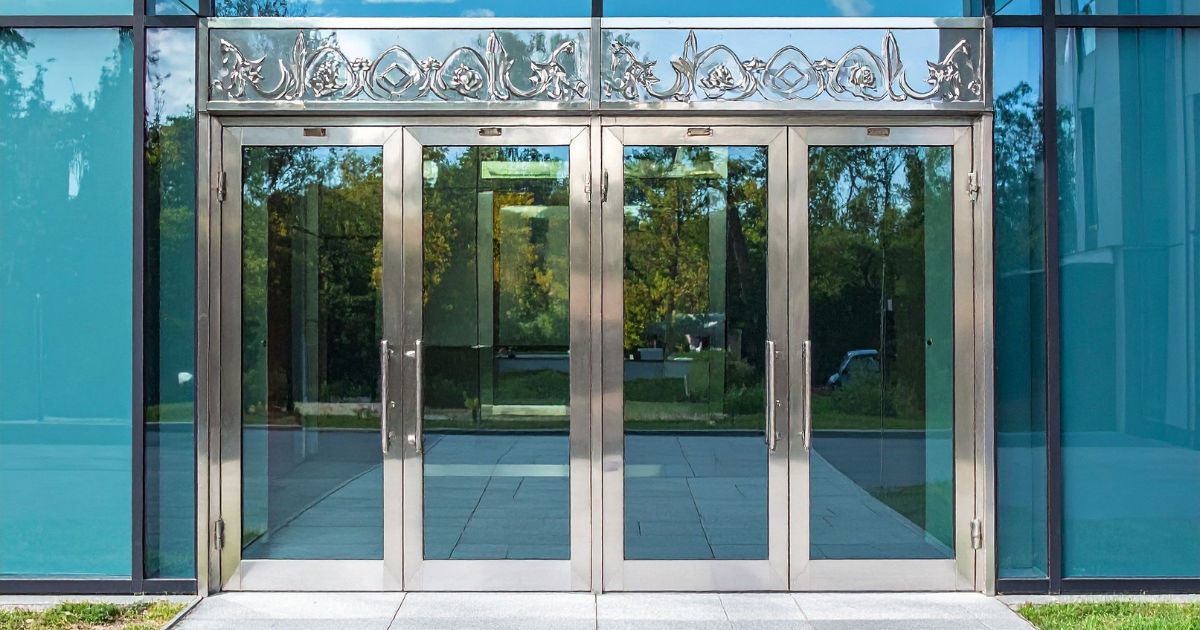
But what really lies at the heart of Aluminum Composite Panels? The core of these panels is the key element that determines their strength, fire resistance, and overall performance.
Understanding the core is essential for architects, engineers, and even homeowners who want to make informed choices for building projects.
Understanding Aluminum Composite Panels
Aluminum Composite Panels are essentially sandwich panels. They consist of two thin layers of aluminum enclosing a central core material. The aluminum layers provide a sleek finish, resistance to weather, and structural integrity. The core, however, is what gives the panel its essential characteristics, including fire resistance, rigidity, and acoustic insulation.
The core is usually made from materials such as polyethylene, mineral-filled compounds, or other thermoplastic and fire-resistant materials. The choice of core affects not only the safety of the panel but also its application in exterior or interior cladding, signage, and decorative purposes.
Components of Aluminum Composite Panels
To fully understand the role of the core, it’s important to break down the components of Aluminum Composite Panels:
-
Aluminum Skins: The outer layers of the panel are made from aluminum sheets. These sheets are often coated with paints like PVDF (Polyvinylidene Fluoride) or polyester to enhance durability, UV resistance, and color retention.
-
Core Material: The central layer is the “heart” of the panel. It provides rigidity, thermal insulation, and influences the panel's fire rating. The core can be made from different materials, which we will discuss in detail.
-
Adhesive Layer: Strong adhesives bond the aluminum sheets to the core. The adhesive ensures the panel acts as a single, solid unit.
Types of Core Materials
The core material is the most critical part of Aluminum Composite Panels. It determines the panel’s application, safety, and performance.
1. Polyethylene (PE) Core
Polyethylene cores are lightweight and cost-effective. They are commonly used in indoor applications, signage, and decorative facades. However, PE cores are highly flammable and do not provide much fire resistance.
2. Fire-Retardant (FR) Core
To meet modern building regulations, especially in high-rise buildings, many Aluminum Composite Panels are made with fire-retardant cores. These cores include mineral fillers like aluminum hydroxide that resist ignition and slow down the spread of fire. FR cores are now widely mandated in commercial buildings due to safety concerns.
3. Mineral-Filled Core
Some advanced ACPs use mineral-filled cores, which consist of materials like magnesium hydroxide or calcium carbonate. These cores offer superior fire resistance and better insulation. They are often used in high-rise facades, airports, hospitals, and public buildings where safety is paramount.
4. Foam Core
Foam cores provide excellent thermal and sound insulation. They are lightweight and help reduce the overall load on the structure. However, foam cores may not be suitable for applications requiring high fire resistance.
Key Properties of Composite Panel Cores
The core of composite panels is not just filler material. Its properties play a pivotal role in the performance of the panel. Some important properties include:
1. Fire Resistance
The type of core determines how resistant the panel is to fire. While PE cores are highly flammable, FR and mineral cores can prevent the rapid spread of flames, making them suitable for high-rise buildings and densely populated areas.
2. Rigidity and Structural Strength
The core material contributes significantly to the panel’s structural integrity. A well-chosen core prevents bending, warping, or deformation, ensuring the panel remains stable over time.
3. Thermal and Acoustic Insulation
Certain cores, like foam or mineral cores, provide insulation properties. They reduce heat transfer, keeping buildings cooler in summer and warmer in winter. They also dampen sound, enhancing indoor comfort.
4. Durability
The durability of Aluminum Composite Panels heavily relies on the core material. A high-quality core prevents moisture absorption, delamination, and cracking under stress.
Applications of Aluminum Composite Panels Based on Core Type
Different core materials make ACPs suitable for varied applications:
-
Indoor Signage and Decorations: Panels with PE cores are suitable for indoor use where fire hazards are minimal.
-
High-Rise Buildings: Panels with FR or mineral-filled cores are required for exterior facades to comply with fire safety regulations.
-
Acoustic Panels: Foam core ACPs are used in theaters, auditoriums, and recording studios for sound absorption.
-
Thermal Insulation: Panels with insulating cores can be used for walls in hot climates to improve energy efficiency.
Manufacturing Process of the Core
The core is manufactured separately and then sandwiched between aluminum sheets using specialized adhesive techniques. The process typically involves:
-
Core Material Preparation: Depending on the type (PE, FR, mineral, or foam), the raw material is processed into sheets of the desired thickness.
-
Adhesive Coating: A layer of strong adhesive is applied to bond the core with aluminum skins.
-
Lamination: The aluminum sheets are pressed against the core under heat and pressure, forming a uniform panel.
-
Finishing: Panels may undergo coating, brushing, or polishing for aesthetic and protective purposes.
The quality of the manufacturing process determines the long-term performance of the panel. Even with high-quality core materials, improper bonding or lamination can compromise structural strength.
Standards and Regulations for Core Materials
Due to the safety implications, especially regarding fire hazards, core materials must comply with strict standards. In many countries:
-
Building Codes: Specify minimum fire resistance for external cladding materials.
-
Testing Standards: Panels are tested for flame spread, smoke emission, and heat release.
-
Environmental Standards: Some cores, particularly mineral or FR cores, are preferred for their eco-friendly nature.
Innovations in Composite Panel Cores
The construction industry constantly evolves, and innovations in core materials have improved safety, performance, and sustainability:
-
Hybrid Cores: Combining PE with mineral fillers reduces flammability while keeping costs low.
-
Eco-Friendly Cores: Some cores now use recycled materials or low-VOC binders, reducing environmental impact.
-
Enhanced Insulation Cores: Advanced foam cores are being developed for extreme weather resistance and improved acoustic performance.
Maintenance and Longevity
While the aluminum skins provide protection against weathering, the core material determines the panel’s longevity. Panels with high-quality cores maintain their structural integrity for decades. Regular inspections ensure that no delamination or moisture infiltration occurs.
Advantages of Understanding the Core
Knowing the type of core in Aluminum Composite Panels helps:
-
Architects and Builders: Make informed decisions based on safety, aesthetics, and cost.
-
Property Owners: Understand the longevity and maintenance needs of the panels.
-
Regulators and Inspectors: Ensure buildings comply with fire and safety codes.
Challenges with Core Materials
Despite advancements, core materials come with challenges:
-
Flammability: Low-cost PE cores are still in use in some projects, posing fire risks.
-
Delamination: Poor bonding between aluminum sheets and the core can reduce strength.
-
Cost: High-performance cores like mineral or FR cores are more expensive.
Proper selection, testing, and installation mitigate these risks effectively.
Conclusion
The core of Aluminum Composite Panels is much more than a simple filler. It is the central component that defines the panel’s fire resistance, strength, insulation properties, and overall performance. Choosing the right core material ensures safety, durability, and functionality. Whether for high-rise buildings, interior decoration, or signage, understanding the core helps architects, builders, and property owners make informed decisions.
In today’s world, where construction standards and aesthetic demands are high, the core is the silent hero behind the sleek surfaces of Aluminum Composite Panels. As technology and material science advance, we can expect even more innovative and safer cores that will make ACPs indispensable in modern construction.
Aluminum Composite Panels, with their carefully engineered cores, represent a perfect balance of form, function, and safety, making them a cornerstone of contemporary architecture.