
How Packing Machines in Pakistan Ensure Hygiene?
Modern industries in South Asia are rapidly evolving, and one of the most important innovations supporting this growth is automation in packaging. Among these advancements, Packing machines in Pakistan have become a central part of food, pharmaceutical, and consumer goods industries. 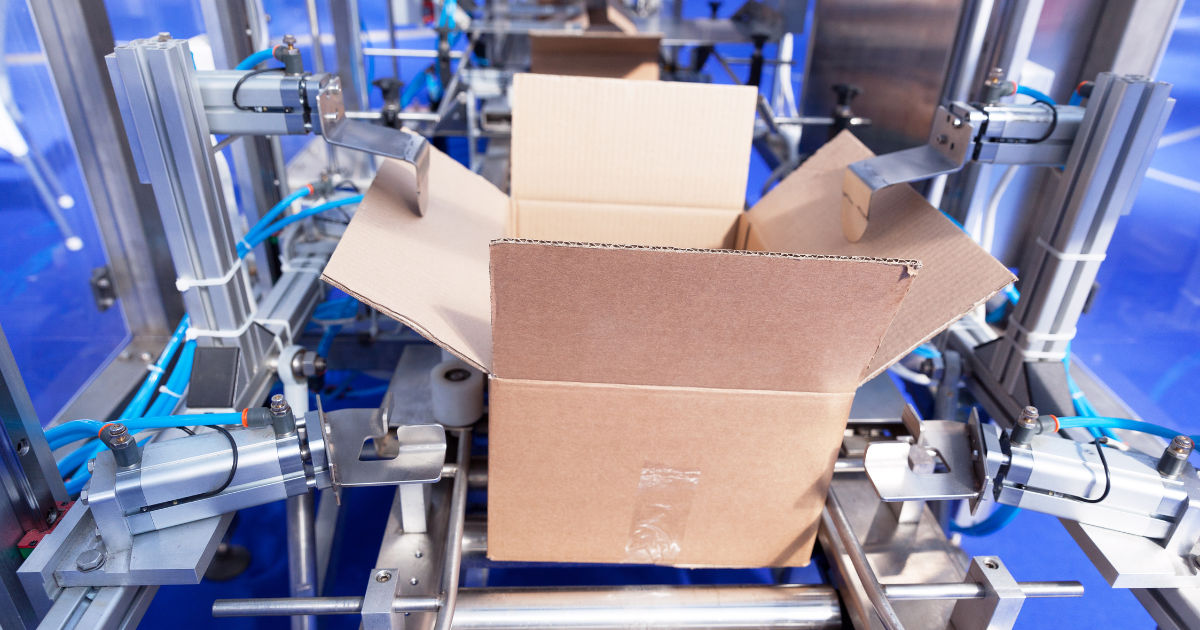
Hygiene is a critical factor in any manufacturing process, especially in industries where products are consumed directly by people. Manual packaging often increases the risk of contamination due to human contact, environmental exposure, and inconsistent handling practices. This is where Packing machines in Pakistan provide a reliable solution by reducing human intervention and creating controlled packaging environments.
In this detailed guide, we will explore how Packing machines in Pakistan ensure hygiene, what technologies they use, their role in different industries, and why they are becoming indispensable for modern production systems. We will also discuss their benefits, challenges, and future developments in the Pakistani industrial landscape.
By the end of this article, you will understand why Packing machines in Pakistan are not just machinery but a vital part of public health and industrial efficiency.
Importance of Hygiene in Modern Packaging
Hygiene is the foundation of safe consumption. Whether it is food, medicine, or personal care products, cleanliness during packaging directly impacts consumer health. Packing machines in Pakistan are designed to minimize contamination risks by limiting human contact during the packaging process.
In traditional manual systems, workers handle products directly, increasing the chance of bacteria transfer, dust exposure, and inconsistent sealing. However, Packing machines in Pakistan use automated systems that ensure products are sealed in controlled environments.
Another key aspect is environmental protection. Dust, humidity, and airborne particles can easily contaminate open products. Modern Packing machines in Pakistan use sealed chambers and automated conveyors that reduce exposure to external elements.
Furthermore, hygiene compliance is not just about safety but also about trust. Consumers are more likely to trust brands that use Packing machines in Pakistan because they associate automation with cleanliness and quality assurance.
In industries such as dairy, snacks, and pharmaceuticals, even minor contamination can lead to serious health risks. That is why Packing machines in Pakistan are becoming a standard requirement rather than a luxury.
Types of Packaging Machines Used in Pakistan
There are several types of systems that fall under the category of Packing machines in Pakistan, each designed for specific industrial needs.
One of the most common types is vacuum sealing machines, which remove air before sealing products. This helps maintain freshness and prevents microbial growth. Many food industries rely heavily on Packing machines in Pakistan that use vacuum technology.
Another widely used category is automatic filling machines. These machines ensure that liquids, powders, and granules are packed without direct human contact. In this way, Packing machines in Pakistan maintain a high level of hygiene consistency.
There are also flow wrapping machines used for bakery and snack items. These machines wrap products quickly and securely, reducing exposure time. Again, Packing machines in Pakistan help maintain cleanliness during high-speed production.
Shrink wrapping machines are also popular, especially in beverage and consumer goods industries. These Packing machines in Pakistan use heat to tightly seal products, protecting them from dust and contamination.
Lastly, pharmaceutical blister packing machines are critical in the medical sector. These Packing machines in Pakistan ensure that tablets and capsules remain sterile until they are used.
Each type contributes differently, but all share one common goal: maintaining hygiene standards through automation.
Role in the Food Industry
The food industry is one of the largest users of Packing machines in Pakistan, and hygiene plays a central role in its operations. Food products are highly sensitive to contamination, which makes automated packaging essential.
For example, in dairy production, milk and yogurt must be sealed quickly to prevent bacterial growth. Packing machines in Pakistan ensure that these products are packaged in sterile conditions immediately after processing.
Similarly, snack foods like chips, biscuits, and confectionery items require airtight packaging to maintain freshness. Here again, Packing machines in Pakistan provide controlled sealing that prevents moisture and air exposure.
Another important factor is consistency. Manual packaging can lead to uneven sealing or incorrect quantities. With Packing machines in Pakistan, every product is packed uniformly, ensuring hygiene and quality control.
In meat processing units, hygiene is even more critical. Advanced Packing machines in Pakistan are used to vacuum-seal meat products, reducing the risk of spoilage and contamination.
Overall, the food industry depends heavily on Packing machines in Pakistan to ensure that consumers receive safe and hygienically packed products every time.
Pharmaceutical Industry and Sterile Packaging
The pharmaceutical industry demands the highest level of cleanliness, and Packing machines in Pakistan play a crucial role in meeting these standards.
Medicines must remain uncontaminated from production to consumption. Even a small exposure to bacteria or dust can reduce effectiveness or cause health risks. That is why Packing machines in Pakistan are designed with sterile environments and controlled systems.
Blister packing machines are widely used for tablets and capsules. These machines ensure that each dose is individually sealed, reducing contamination risks. In this sector, Packing machines in Pakistan are essential for maintaining drug safety.
Liquid medicine packaging also relies on automated filling systems. These Packing machines in Pakistan ensure accurate dosing without human contact, improving hygiene and safety.
Another important aspect is compliance with international standards. Pharmaceutical companies in Pakistan increasingly rely on Packing machines in Pakistan to meet global hygiene certifications and export requirements.
By reducing human handling and increasing automation, Packing machines in Pakistan ensure that medicines remain safe, effective, and reliable for patients.
Automation and Technological Advancements
Automation has transformed industrial packaging, and Packing machines in Pakistan are at the center of this transformation.
Modern machines are equipped with sensors, digital controls, and programmable systems that reduce manual intervention. This ensures higher hygiene levels and reduces contamination risks.
For example, conveyor-based systems allow products to move through sealed environments without human contact. These Packing machines in Pakistan ensure continuous and clean processing.
Another advancement is the use of stainless steel materials in machine construction. This prevents bacterial growth and makes cleaning easier. As a result, Packing machines in Pakistan maintain better hygiene standards.
Some machines also include UV sterilization systems that kill bacteria before sealing products. This innovation has significantly improved the hygiene performance of Packing machines in Pakistan.
Automation also reduces errors. Since human involvement is minimal, there is less chance of contamination or improper handling. This makes Packing machines in Pakistan highly reliable for large-scale production.
Cleaning and Maintenance Standards
Regular cleaning and maintenance are essential for ensuring hygiene in packaging systems. Packing machines in Pakistan are designed in a way that allows easy cleaning and sanitization.
Most modern machines include detachable parts that can be washed and sterilized. This helps maintain hygiene without disrupting production. As a result, Packing machines in Pakistan remain safe for continuous use.
Manufacturers also follow strict maintenance schedules to ensure that machines remain contamination-free. Lubrication, part replacement, and system checks are standard practices for Packing machines in Pakistan.
In addition, many machines include self-cleaning features. These systems reduce downtime and improve hygiene efficiency. Such innovations make Packing machines in Pakistan more advanced than traditional manual methods.
Proper maintenance also extends machine life and ensures consistent performance. This is especially important in industries where hygiene cannot be compromised.
Regulatory Standards and Quality Control
Government regulations play an important role in ensuring hygiene standards. Packing machines in Pakistan are often designed to comply with both local and international guidelines.
Food safety authorities require strict packaging hygiene practices. To meet these requirements, Packing machines in Pakistan are built to minimize contamination risks and ensure proper sealing.
Quality control systems are also integrated into modern machines. These systems detect errors such as improper sealing or incorrect filling. This ensures that Packing machines in Pakistan maintain high hygiene standards throughout production.
In export-oriented industries, compliance with global certifications is necessary. Many manufacturers use Packing machines in Pakistan that meet ISO and GMP standards to ensure international acceptance.
These regulations ensure that hygiene is not optional but a mandatory part of packaging processes.
Benefits of Hygienic Packaging Machines
The benefits of using Packing machines in Pakistan are extensive and impact multiple industries.
First, they significantly reduce contamination risks by minimizing human contact. This is one of the most important hygiene advantages of Packing machines in Pakistan.
Second, they improve production efficiency. Automated systems work faster and more consistently than manual labor, ensuring clean and uniform packaging.
Third, they reduce waste. Accurate filling and sealing ensure that fewer products are rejected due to contamination or errors.
Fourth, they improve consumer trust. Products packed using Packing machines in Pakistan are seen as safer and more reliable.
Finally, they help businesses meet legal and export requirements, making Packing machines in Pakistan essential for global trade.
Challenges in Maintaining Hygiene Standards
Despite their advantages, Packing machines in Pakistan also face certain challenges.
One major issue is maintenance cost. High-quality machines require regular servicing to maintain hygiene standards.
Another challenge is lack of technical expertise. Proper operation of Packing machines in Pakistan requires trained personnel who understand hygiene protocols.
Energy consumption is also a concern in some industries, especially where continuous operation is required.
Additionally, smaller businesses may find it difficult to invest in advanced Packing machines in Pakistan, limiting their access to high-end hygiene systems.
However, with proper training and investment, these challenges can be managed effectively.
Future of Hygienic Packaging in Pakistan
The future of packaging technology looks promising. Packing machines in Pakistan are expected to become even more advanced with AI integration and smart monitoring systems.
Future machines will likely include real-time hygiene monitoring, automated cleaning systems, and predictive maintenance features. These improvements will make Packing machines in Pakistan even more efficient.
Sustainability will also play a role. Eco-friendly packaging solutions will be integrated into Packing machines in Pakistan to reduce environmental impact.
As industries continue to grow, demand for hygienic packaging will increase, making Packing machines in Pakistan even more essential.
Conclusion
In conclusion, hygiene is a critical factor in modern manufacturing, and automation has made it easier to maintain high standards. Packing machines in Pakistan play a vital role in ensuring that products remain safe, clean, and contamination-free from production to consumption.
From food to pharmaceuticals, every industry depends on Packing machines in Pakistan to deliver hygienic and reliable packaging solutions. Their ability to reduce human contact, improve efficiency, and meet regulatory standards makes them indispensable in today’s industrial environment.
As technology continues to evolve, Packing machines in Pakistan will become even more advanced, offering better hygiene control and smarter automation systems. This will not only benefit industries but also improve public health and consumer trust.
Ultimately, the growth of Packing machines in Pakistan represents a step forward toward safer, cleaner, and more efficient production systems in the country.