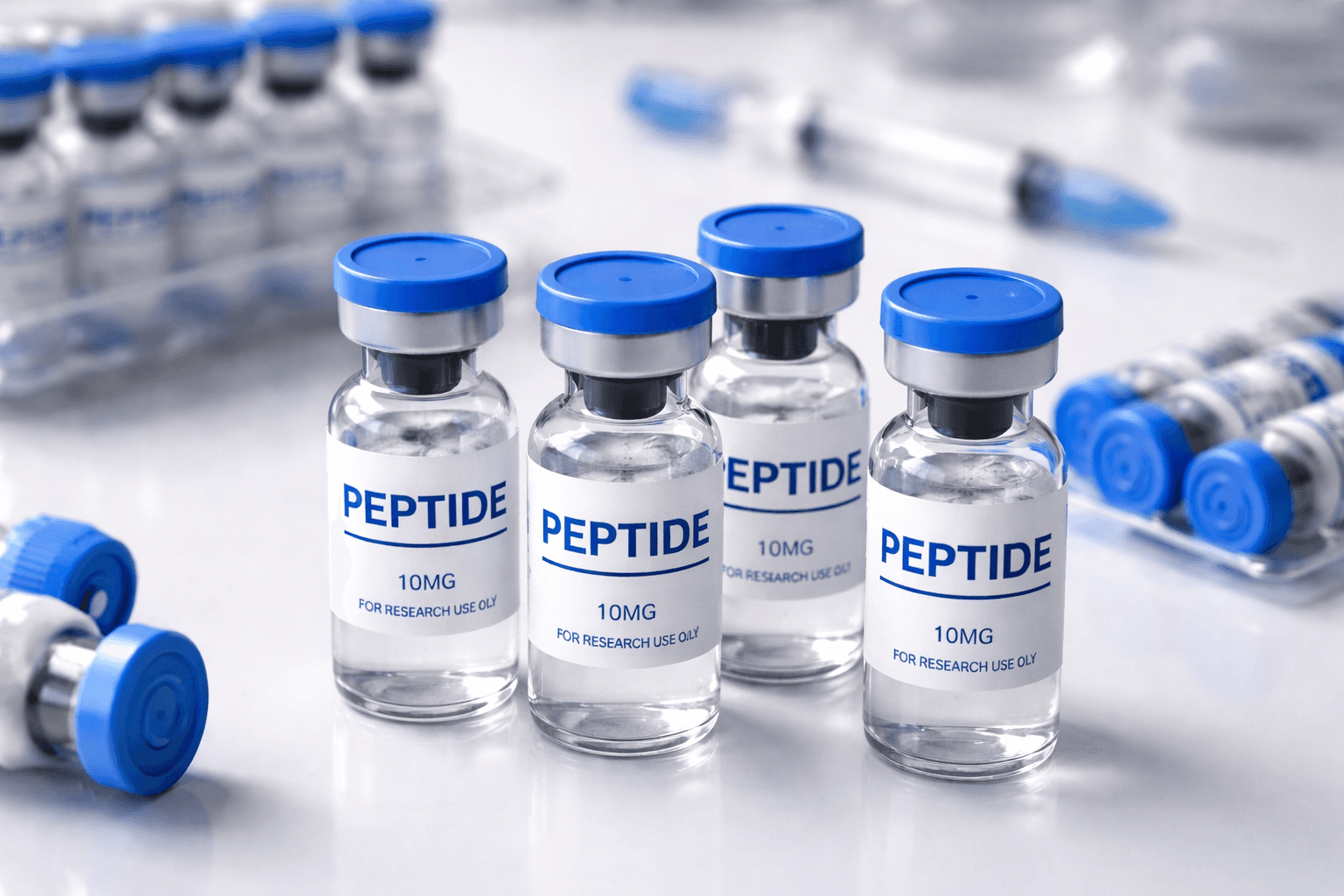
Exploring the Impact of NAD Research Peptides in the USA
Understanding NAD+ and Its Role in Cellular Health
Nicotinamide adenine dinucleotide (NAD+) is a vital coenzyme found in every living cell, playing a crucial role in energy metabolism, DNA repair, and cellular aging. NAD+ research peptides are specialized synthetic compounds designed to boost cellular levels of NAD+, thereby enhancing mitochondrial function and supporting overall cellular health. These peptides have become a focus in scientific communities aiming to understand and manipulate metabolic pathways for improved longevity and disease resistance.
From a scientific perspective, NAD+ peptides act as precursors or regulators that influence enzymatic reactions essential for maintaining metabolic homeostasis. This makes them invaluable tools in research related to aging, neurodegeneration, and metabolic disorders.
The Growing Demand for NAD+ Peptides in American Research
In the United States, the demand for NAD+ research peptides has surged due to increasing interest in age-related therapies and metabolic health. Researchers require high-purity peptides that reliably mimic or enhance NAD+ activity to conduct experiments that could lead to breakthroughs in treating chronic diseases. These peptides allow precise modulation of NAD+ pathways, helping scientists assay cellular responses and drug efficacy.
NAD+ peptides are frequently used in studies focusing on sirtuins—enzymes that regulate aging and mitochondrial efficiency—as NAD+ acts as a co-substrate for these proteins. Therefore, peptides affecting NAD+ levels have the potential to unlock insights into cellular energy mechanisms and overall organismal health.
Quality and Reliability in NAD+ Peptide Research Supplies
Ensuring the integrity of NAD+ research peptides is paramount for reproducible and accurate scientific outcomes. Researchers often face challenges related to peptide purity, stability, and batch consistency. This is why sourcing from reputable suppliers is critical. Many users observe that NAD+ Research Peptide USA provides peptides that meet stringent quality controls and lab-tested standards, ensuring reliability across various research applications.
The availability of premium-quality NAD+ peptides in the USA facilitates advanced studies in metabolic pathways, neuroprotection, and regenerative medicine. Trusted suppliers offer peptides characterized by high purity, minimal contamination, and thorough documentation, which are essential for compliance with research protocols.
Applications of NAD+ Research Peptides in Scientific Studies
NAD+ peptides serve diverse functions in experimental settings, including:
- Enhancing mitochondrial biogenesis and energy production
- Investigating cellular senescence and aging mechanisms
- Modulating DNA repair processes to explore genomic stability
- Evaluating neuroprotective effects in models of neurodegenerative diseases
- Supporting metabolic studies related to diabetes and obesity
Their role in these areas is expanding as new peptide analogs and derivatives are developed to target NAD+ metabolism with greater specificity.
Future Directions and Scientific Potential
Emerging research suggests that NAD+ peptides could one day inform clinical interventions aimed at prolonging healthy lifespan and combating metabolic disorders. Current studies focus on the optimization of peptide delivery systems and understanding long-term impacts on cellular function.
From a researcher’s viewpoint, NAD+ peptides represent a promising frontier in molecular biology and therapeutic development. Their ability to modulate fundamental cellular processes offers a powerful approach to unraveling complex biological questions and designing novel treatments.
Conclusion
NAD+ research peptides are reshaping the landscape of cellular metabolism and aging studies in the USA. Their precision, backed by rigorous scientific validation, positions them as indispensable tools for advancing knowledge in bioenergetics and regenerative medicine. As the field evolves, maintaining high standards in peptide quality and supplier reliability will be crucial to unlocking the full therapeutic potential of NAD+ modulation.