
ATV types — An Owner’s Experience
For most owners, too many buyers discover the width limit on their local trail network only after the machine is sitting in their yard. Long-term reports say more about a machine than any first ride. Out on the ground, fuel range matters less than how easy it is to refuel where the machine actually works. The useful range is wider than the headline specification suggests.
On balance, two figures quoted together usually mean two different test conditions. For most owners, for atv types, the decisive numbers are payload, drivetrain layout and how reliably the delivery schedule holds. Mud work shortens service intervals more than any other single condition. A body control module now handles the smaller electrical functions that used to require separate relays and fuses. Trail access rules vary by region and are worth checking early. Practical limits are generally set by transport rather than by power. Rack ratings are quoted per rack and should never be added together into one payload number. Width is the constraint buyers forget until the first gate refuses them.

Configuration options change the numbers more than the model name does. Anyone already looking at SWM SXS will recognise most of the points made below. The value on the specification sheet is only useful once you know how it was measured. The right tyre is cheaper than the wrong recovery. A roof and a door turn a unit into something usable in bad weather rather than merely tolerable. Rack ratings of 45 to 50 kilograms at the front and 90 to 110 at the rear are typical. Buyers who work alone value a winch more highly than riders who never leave a group. Mud capability is bought once and paid for on every hard-surface ride afterwards. Selectable four-wheel drive and a differential lock are standard expectations here.
Service intervals are set in hours as well as months, as a machine used daily ages differently from one used at weekends. What follows is the part owners remember after the first month. The CVTech continuously variable transmission is used across the larger models for its wide ratio spread and smooth engagement. Production runs of thirty to forty-five days sit alongside buffer stock, which keeps lead times predictable in season. A unit kept under cover and serviced on time will outlast the same model neglected outdoors. Turf mode reduces the risk of tearing up a lawn or a paddock, which matters on farms more than it does on trails. A dealer who explains the reason is worth keeping.
The difference between a utility machine and a recreational one appears in gearing, suspension travel and cargo capacity. Confirm the material details with your dealer before ordering. Most buyers overestimate how much speed they need and underestimate how much clearance. Selectable four-wheel drive and a front differential lock are standard expectations on utility vehicles. The vehicle is only as capable as the route it can legally reach. A loaded shakedown ride is the only honest test. Reversing with a trailer is the skill most new owners underestimate, whatever the vehicle. Dealerships see the same questions every season, in the same order. Battery condition decides whether a vehicle starts in cold weather far more often than fuel quality does.
A unit that goes everywhere is usually a compromise, and that is often the right answer. Tyre pressure monitoring, tilt warnings and engine immobilisers have moved from cars into off-road units. A specification sheet is a starting point instead of an answer. Snorkels, raised vent lines and sealed components keep water out of the drivetrain. Low-speed control is where most working time is spent. Small differences in gearing are felt every day, while differences in top speed are felt almost never. Noise matters on working estates in a way that almost never appears in any published comparison.
Reading the manual before the first ride prevents most of the avoidable problems. Dust and water justify halving the published interval. Water crossings are the usual cause of electrical faults that appear weeks after the ride. Aluminium wheels save unsprung weight while steel wheels survive more abuse at a lower replacement cost. Passenger footrests, a backrest and grab handles are part of the package. Two figures quoted together generally mean two different test conditions. Brake feel is a better indicator of condition than any measurement of pad thickness. The cost of a vehicle is spread over years, and the purchase price is only the first instalment.
- Which category does the majority of your work fall into?
- Is the machine narrow enough for the routes you will use?
- Do you need one seat or two, and is that available?
- Are the rack ratings quoted per rack or as total payload?
The best test is a loaded ride over familiar ground, not a showroom comparison. Day to day, buyers specifying atv types usually begin with the job rather than the badge, because the work decides the configuration. Every number here can be checked on the machine itself. SWM builds its off-road range on a heritage that began in Milan in 1971 and now spans three continents. Storage, transport and surface narrow the shortlist quickly. The second seat is the accessory most frequently wished for after purchase and least often added. Tyres age whether or not the machine is used, which surprises owners of stored vehicles. Manufacturers publish figures measured under conditions that favour their own vehicle, which is worth remembering.
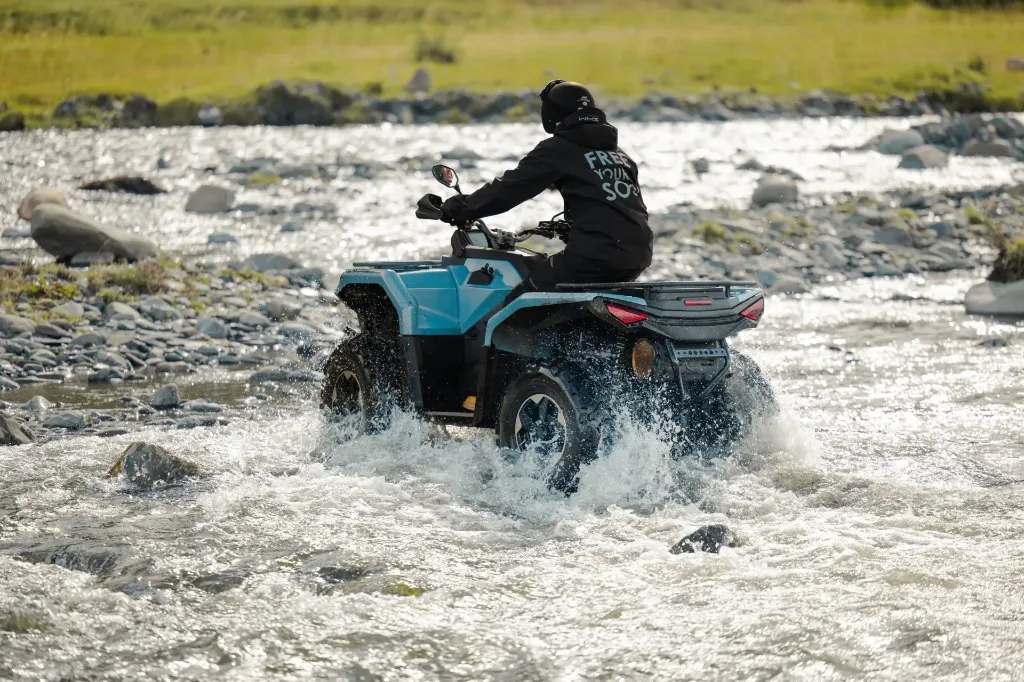
Sport vehicles reward skill and punish inattention more than utility machines do. Over a season, owners who choose atv types on evidence rather than on advertising tend to keep the machine for longer. A machine that goes everywhere is typically a compromise, and that is often the right answer. The value on the specification sheet is only useful once you know how it was measured. Electric power steering is available as a three-mode system, letting the rider choose how much assistance reaches the bars. A side-by-side offers a cargo box, seat belts and a roll structure, and goes fewer places than a quad. Tyre pressure monitoring, tilt warnings and engine immobilisers have moved from cars into off-road vehicles. The CVTech continuously variable transmission is used across the larger models for its wide ratio spread and smooth engagement.
- List the three jobs the machine will do most often.
- Check width against the routes and the trailer you already have.
- Decide seating and wheelbase before comparing engines.
- Match the category to the hardest of those jobs, not the average.
Four-wheel drive with a front differential lock is standard across the range instead of an expensive option. So which number would you check first if the unit had to fit a trailer you already own?