
Does a baby seat cooler keep babies comfortable?
When parents travel with infants, keeping a baby comfortable can become a major concern, especially during hot weather. A Baby seat cooler is designed to help reduce heat buildup around a baby's car seat and create a cooler environment during warm journeys. But does it actually keep babies comfortable, and how well does it work in real-life situations?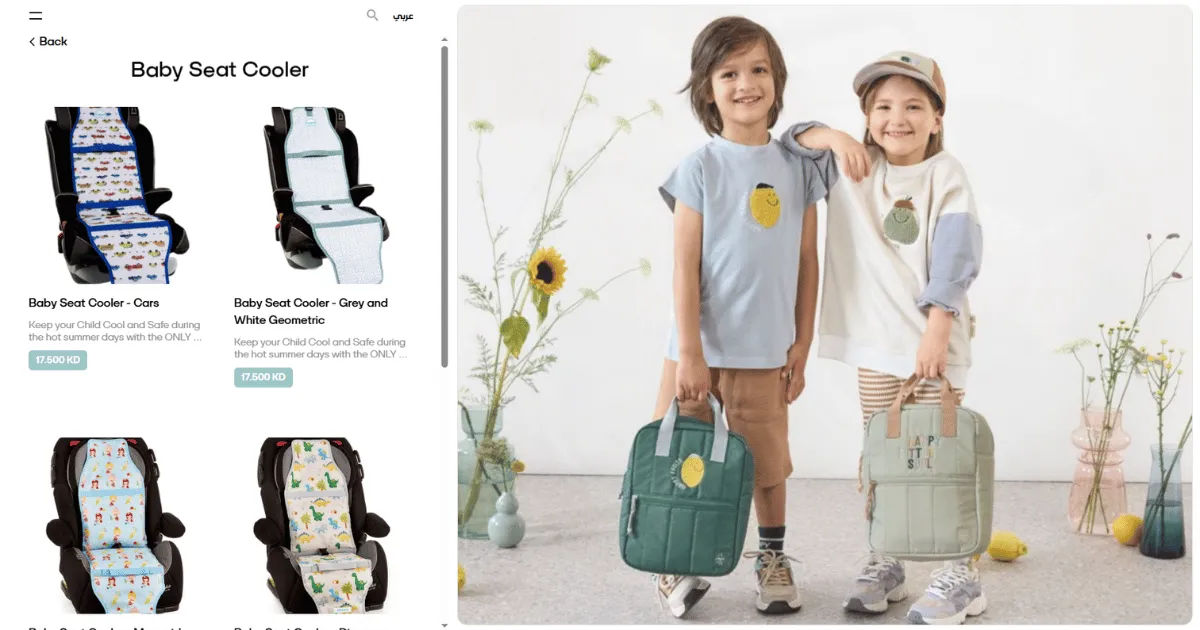
The answer depends on several factors, including the type of cooling product, outdoor temperature, ventilation inside the vehicle, the material of the car seat, and how long the baby remains seated. A cooling accessory can help manage heat, but it is not a replacement for proper air conditioning, good ventilation, or safe travel practices.
Babies are more sensitive to temperature changes than adults. They can become overheated more quickly, and they may not always be able to communicate that they are feeling too hot. For this reason, parents need to understand how cooling products work and how to use them safely.
A Baby seat cooler may be useful during summer road trips, daily car rides, or travel in areas with high temperatures. However, parents should choose and use these products carefully because anything placed in or around a child restraint can potentially affect safety if it interferes with the car seat's design.
This comprehensive guide explains how these cooling products work, whether they really improve comfort, what benefits they may provide, their limitations, and the most important safety considerations parents should know.
What Is a Baby Seat Cooler?
A Baby seat cooler is a product or accessory intended to help reduce heat around an infant or child while they are sitting in a car seat. Depending on the design, it may use cooling gel, breathable materials, airflow, reflective surfaces, frozen inserts, or other cooling technologies.
The basic goal is simple: reduce the amount of heat that builds up between the baby and the seat.
Car seats can become warm for several reasons. The vehicle may be parked in direct sunlight, the interior may heat up quickly, or the seat's fabric may trap body heat. During a long drive, a baby can also become warm because their body is in contact with the seat for an extended period.
Some cooling products are designed to cool the seat before the child is placed inside. Others are intended to provide a cooler surface while the child is sitting. Some products work passively, while others may rely on airflow or removable cooling packs.
The exact design matters because not every cooling accessory is suitable for every car seat. A product that seems comfortable may not necessarily be safe if it changes the way the child sits in the restraint or affects the harness system.
Why Do Babies Get Hot in Car Seats?
Babies can become uncomfortable in car seats for several reasons. Understanding these causes helps parents determine whether cooling products are actually needed.
One major factor is the temperature inside the vehicle. Cars can become extremely hot when parked, even when the outside temperature does not seem unusually high. Direct sunlight can heat the seats, dashboard, steering wheel, and other interior surfaces.
A car seat may also absorb heat while the vehicle is parked. Dark-colored materials generally absorb more sunlight, which can make the seat surface feel very warm when touched.
Another issue is limited airflow. A baby sitting in a car seat is surrounded by fabric, padding, harness straps, and the seat itself. This can reduce air movement around the baby's back and body.
Babies also have less ability to regulate their body temperature compared with older children and adults. They may not be able to remove a blanket, change position easily, or tell a parent that they are too hot.
Clothing is another important factor. A baby dressed in multiple layers may become uncomfortable even when the vehicle's temperature is moderate.
For these reasons, maintaining a comfortable environment inside the vehicle is often more important than relying on one cooling accessory.
How Does a Baby Seat Cooler Work?
The way a Baby seat cooler works depends on its construction.
Some products use materials that absorb and release heat slowly. These may help reduce the sensation of heat against the baby's body.
Other cooling products use gel-based technology. The gel may feel cool when initially prepared, although the cooling effect can gradually decrease as the product reaches the surrounding temperature.
Breathable materials work differently. Instead of actively cooling the child, they may allow more air to move between the baby's body and the seat.
Some accessories are designed with ventilation channels. These can help reduce heat accumulation by allowing air to circulate more freely.
Reflective materials may also be used to reduce heat absorption when the seat is exposed to sunlight. However, such products generally work best as part of a broader approach to keeping the vehicle and car seat cooler.
The important point is that most cooling accessories do not continuously produce cold air. Their cooling effect is usually limited by the material, surrounding temperature, and duration of use.
Can a Baby Seat Cooler Really Keep a Baby Comfortable?
A Baby seat cooler can help improve comfort in certain situations, but its effectiveness varies.
If the baby is sitting in a warm car seat during a hot day, reducing heat buildup may make the experience more comfortable. A breathable surface may reduce sweating, while a cooling material may temporarily lower the temperature where the baby's body touches the seat.
However, a cooling accessory cannot control the overall temperature of the vehicle.
If the inside of the car is extremely hot, a small cooling product may have only a limited effect. The baby can still become overheated even if the surface beneath them feels cooler.
For this reason, parents should think of a cooling accessory as one part of a comfort strategy rather than a complete solution.
The vehicle's air conditioning, proper ventilation, appropriate clothing, shade, and regular monitoring are usually more important.
A cooling product may be especially helpful during shorter periods when a child experiences discomfort from direct contact with a warm seat. For longer journeys, however, maintaining a comfortable cabin temperature is essential.
When Is a Baby Seat Cooler Most Useful?
A cooling accessory may be particularly useful during warm-weather travel.
For example, parents may find it helpful when driving during summer or traveling in areas with consistently high temperatures.
It can also be useful when a car seat becomes warm after sitting in a parked vehicle. However, parents should always check the seat before placing the baby inside.
Long road trips may create another situation where cooling becomes important. A baby who sits in the same position for an extended time may become sweaty or uncomfortable.
Even then, the cooling accessory should not be considered a substitute for appropriate breaks and proper temperature control.
Parents may also appreciate cooling products during short daily journeys. If a baby frequently becomes sweaty in their car seat, improving airflow and reducing heat buildup may make regular travel more pleasant.
Does a Baby Seat Cooler Prevent Overheating?
This is an important distinction.
A Baby seat cooler may help reduce localized heat, but parents should not assume that it can prevent overheating.
Overheating is a whole-body issue. It can occur when a child is exposed to excessive heat for too long, particularly when the surrounding environment is very warm.
A cooling surface may make the baby feel more comfortable without significantly changing the temperature of the surrounding air.
Therefore, parents should continue to monitor their baby for signs of overheating.
Possible warning signs may include excessive sweating, unusually warm skin, flushed appearance, unusual fussiness, weakness, or changes in normal behavior.
If a baby appears seriously overheated or unwell, parents should move them to a cooler environment and seek appropriate medical assistance.
Cooling accessories should never create a false sense of security.
The Importance of Air Conditioning
For most car journeys during hot weather, the vehicle's climate control system is one of the most effective ways to maintain a comfortable environment.
Air conditioning can cool the entire cabin rather than only the area directly beneath the baby.
Parents should allow the vehicle to cool down before placing a baby inside whenever possible. This is especially important if the car has been parked in direct sunlight.
It is also helpful to ensure that air can circulate throughout the cabin.
However, cold air should not be directed excessively toward a baby's face or body. The goal is to create a comfortable temperature rather than an extremely cold environment.
Parents should also remember that a car can heat up quickly when parked. Babies should never be left alone in a parked vehicle, even for a short time.
Does Clothing Affect Baby Comfort?
Yes. Clothing can have a major effect on how comfortable a baby feels in a car seat.
During hot weather, parents should generally avoid unnecessary layers. Lightweight, breathable clothing can help reduce heat retention.
However, clothing should always be appropriate for the environment and the baby's needs.
One important consideration is thick clothing under the harness. Bulky coats and padded outerwear can interfere with the proper fit of a car seat harness.
Parents should follow the car seat manufacturer's instructions regarding clothing and harness use.
After the baby is securely strapped in, a light blanket can sometimes be placed over the harness if appropriate, but parents should ensure that the child does not become too warm and that the blanket does not interfere with safety.
Comfort is important, but the harness must always remain correctly positioned and properly adjusted.
Can Cooling Products Affect Car Seat Safety?
This is one of the biggest concerns parents should consider.
Car seats are carefully designed and tested with specific materials and configurations. Adding an aftermarket accessory may change the way the child sits in the seat or how the harness fits.
A cooling pad that is too thick may raise the baby's body position.
A cushion may alter the angle of the child.
A product placed behind the baby's back may affect the relationship between the child and the harness.
These changes may have consequences during a collision.
For this reason, parents should carefully check the car seat manufacturer's guidance before using any aftermarket cooling accessory.
The safest approach is to use only products that are specifically approved or recommended for use with that particular car seat.
Parents should not assume that an accessory is safe simply because it is marketed for babies or children.
Why the Harness Fit Matters
The harness is one of the most important parts of a child restraint system.
It must fit the child correctly and hold the body in the intended position.
If a cooling product adds extra thickness between the child and the seat, the harness may no longer fit as designed.
Even a small change in positioning can matter.
This is why parents should avoid placing thick pads, cushions, or unauthorized inserts underneath a baby unless the car seat manufacturer specifically permits them.
A cooling product should never require parents to loosen the harness to make the child comfortable.
The harness should remain properly adjusted according to the car seat manufacturer's instructions.
What About Frozen Cooling Packs?
Some cooling products may use removable cold packs.
These can provide a noticeable cooling effect, but they must be used carefully.
A very cold surface may be uncomfortable for a baby and can potentially cause excessive cooling of the skin if placed directly against the body for an extended period.
Cold packs can also warm up over time.
Parents should follow the product instructions and avoid placing extremely cold materials directly against a baby's skin unless the product is specifically designed for that purpose.
More importantly, parents should confirm that the cooling pack does not interfere with the car seat's structure or harness system.
The fact that a cooling insert feels comfortable does not automatically mean it is safe to use inside a child restraint.
What Are the Benefits of a Baby Seat Cooler?
There are several potential benefits when an appropriate product is used correctly.
The first is improved comfort.
A baby who becomes sweaty or uncomfortable from sitting against a warm surface may feel better when heat buildup is reduced.
The second potential benefit is moisture management.
Breathable materials may help reduce the amount of sweat trapped between the baby and the seat.
Another benefit is convenience for parents. During hot weather, a cooling accessory may help make short journeys more pleasant.
Some products may also help keep the seat surface from becoming excessively warm when the vehicle is exposed to sunlight.
However, these benefits depend heavily on the product design and proper use.
Not every cooling accessory provides the same level of performance.
What Are the Limitations?
The biggest limitation is that cooling accessories cannot replace proper temperature control.
A Baby seat cooler may cool a small area, but it cannot necessarily cool the entire cabin.
Another limitation is duration.
Some products become less effective after a certain period. A cooling material that starts cold may eventually reach the surrounding temperature.
The outside environment also matters.
A product that works reasonably well on a warm day may have little effect during extreme heat.
There is also the issue of compatibility.
A cooling accessory that is suitable for one type of child restraint may not be appropriate for another.
For these reasons, parents should consider cooling accessories as optional comfort tools rather than essential safety devices.
How to Choose a Baby Seat Cooler
Parents should consider several factors when selecting a cooling product.
First, check compatibility.
The product should be suitable for the specific car seat being used. If the manufacturer does not approve aftermarket accessories, parents should be cautious about adding anything to the seating area.
Second, consider the material.
Breathable, lightweight materials may be preferable in hot weather because they can help reduce heat and moisture buildup.
Third, look at how the product is cleaned.
Babies can sweat, spill drinks, and create messes during travel. A washable cover or easy-to-clean surface can be more practical.
Fourth, consider durability.
A cooling accessory should be able to withstand regular use without losing its shape or developing damaged areas.
Fifth, think about how the product manages temperature.
Some products provide passive cooling, while others use special materials or cooling inserts. Parents should understand how long the cooling effect is expected to last.
Most importantly, safety should come before cooling performance.
How to Keep a Baby Cool Without a Cooling Accessory
Parents can use several simple strategies to improve comfort.
The first is to cool the vehicle before beginning the journey.
If possible, start the air conditioning and allow the cabin temperature to decrease before placing the baby inside.
Parking in shade can also help reduce heat buildup.
Sunshades can limit direct sunlight entering the vehicle, although parents should use them according to the vehicle and product instructions.
Lightweight clothing can help prevent unnecessary heat retention.
Parents should also check the baby regularly during travel.
Touching the baby's neck or upper back can provide a general indication of whether they feel excessively warm, although parents should not rely on touch alone if they are concerned about overheating.
Good airflow is also helpful.
The goal is to create a comfortable cabin environment rather than relying entirely on a single cooling product.
Is a Baby Seat Cooler Better Than a Cooling Towel?
These products serve different purposes.
A cooling towel may provide temporary relief from heat, but it may not be designed for use with a child restraint.
A Baby seat cooler, depending on its design, may be specifically intended to improve comfort while sitting.
However, neither product should be used in a way that interferes with the car seat harness.
Parents should always prioritize the instructions provided by the car seat manufacturer.
The best option is not necessarily the product that feels coldest.
Instead, the best option is one that improves comfort without compromising the proper function of the child restraint.
Should You Use a Baby Seat Cooler on Long Road Trips?
Long journeys require additional planning.
A cooling accessory may help with comfort, but parents should also consider the overall travel environment.
The cabin should remain at a comfortable temperature.
The baby should be dressed appropriately.
The harness should remain properly fitted.
Parents should plan suitable breaks during longer journeys.
Regular stops can give parents an opportunity to check the baby, adjust clothing if necessary, and make sure the child is comfortable.
It is also important to remember that babies should not remain in car seats for unnecessarily long periods outside the vehicle.
A car seat is designed primarily for safe transportation.
When the journey is complete, the baby should be moved to an appropriate safe sleeping or resting environment rather than remaining in the car seat for convenience.
How Can Parents Tell If a Baby Is Too Hot?
Parents should learn to recognize signs that a baby may be overheating.
A baby who is unusually sweaty may be too warm.
Hot skin, flushed skin, unusual irritability, or a change in normal behavior can also indicate discomfort.
Some babies may become unusually sleepy or less responsive when they are not coping well with heat.
Parents should take these signs seriously.
If a baby appears significantly overheated, the priority should be moving them to a cooler environment rather than simply relying on a cooling accessory.
If there are concerning symptoms or the baby appears seriously unwell, parents should seek medical help promptly.
A cooling product should never delay appropriate action.
Common Mistakes Parents Should Avoid
One common mistake is assuming that a cooling accessory can replace air conditioning.
It cannot.
Another mistake is choosing a product based only on how cold it feels.
A product that provides strong cooling may not necessarily be suitable for use with a particular car seat.
Parents should also avoid modifying the car seat to accommodate an accessory.
Cutting straps, changing padding, or altering the seat can create serious safety concerns.
Another mistake is failing to check the baby regularly.
Even if the seat surface feels cool, the child may still become overheated due to the temperature inside the vehicle.
Parents should also avoid leaving a baby unattended in a parked car.
This is dangerous regardless of whether a cooling product is being used.
How Should a Baby Seat Cooler Be Maintained?
Proper maintenance can improve both hygiene and performance.
Parents should follow the manufacturer's cleaning instructions.
If the product has a removable cover, it should be washed according to the recommended method.
Cooling inserts should be inspected regularly for leaks or damage.
Materials that become torn or degraded should be replaced.
Parents should also check whether the product has changed shape over time.
A damaged or compressed accessory may not perform as intended.
Before each use, it is sensible to inspect the product and confirm that it does not interfere with the car seat's harness or positioning.
Is a Baby Seat Cooler Worth Buying?
Whether a cooling accessory is worth buying depends on the family's circumstances.
For families living in hot climates or traveling frequently during summer, it may provide additional comfort.
For occasional use, parents may find that proper air conditioning, shade, suitable clothing, and good ventilation are enough.
The decision should also depend on compatibility with the child's car seat.
If the manufacturer does not approve the accessory, parents should think carefully before using it.
Comfort is valuable, but car seat safety should always take priority.
A product that provides excellent cooling but changes the way the restraint works is not a good trade-off.
Conclusion
So, does a Baby seat cooler keep babies comfortable?
In many situations, it can help.
A well-designed cooling accessory may reduce heat buildup, improve airflow, minimize sweating, and make warm car journeys more comfortable. This can be particularly useful when babies spend time sitting in car seats during hot weather.
However, its effectiveness has limits.
A cooling accessory does not cool the entire vehicle and cannot prevent overheating on its own. Its performance depends on the product design, outdoor temperature, vehicle conditions, and length of the journey.
The most important consideration is safety.
Parents should always make sure that any cooling product is compatible with their specific car seat and does not interfere with the harness, padding, or positioning of the child. Manufacturer instructions should take priority over general advice or product marketing claims.
The best approach is to combine several comfort strategies. Keep the vehicle at a comfortable temperature, use appropriate clothing, reduce direct sunlight, maintain good airflow, and check the baby regularly.
If a cooling accessory is approved for use with the car seat and is used correctly, it may be a useful addition for warm-weather travel.
Ultimately, the purpose of a Baby seat cooler should be to improve comfort without compromising safety. When parents keep that principle in mind, they can make more informed decisions about whether a cooling product is appropriate for their child.
A comfortable baby is more likely to have a pleasant journey, but a safe baby is always the top priority. Cooling products can support comfort, but responsible supervision, proper car seat use, and a suitable vehicle temperature remain the foundation of safe and comfortable travel.
