How can users avoid kraken fake login?
Online cryptocurrency accounts are frequent targets for phishing because attackers know that a successful login can provide access to valuable financial information. A fake login page may look almost identical to a legitimate exchange website, making it difficult to recognize at a quick glance. Learning basic account-security habits can significantly reduce the chance of entering credentials into a fraudulent page.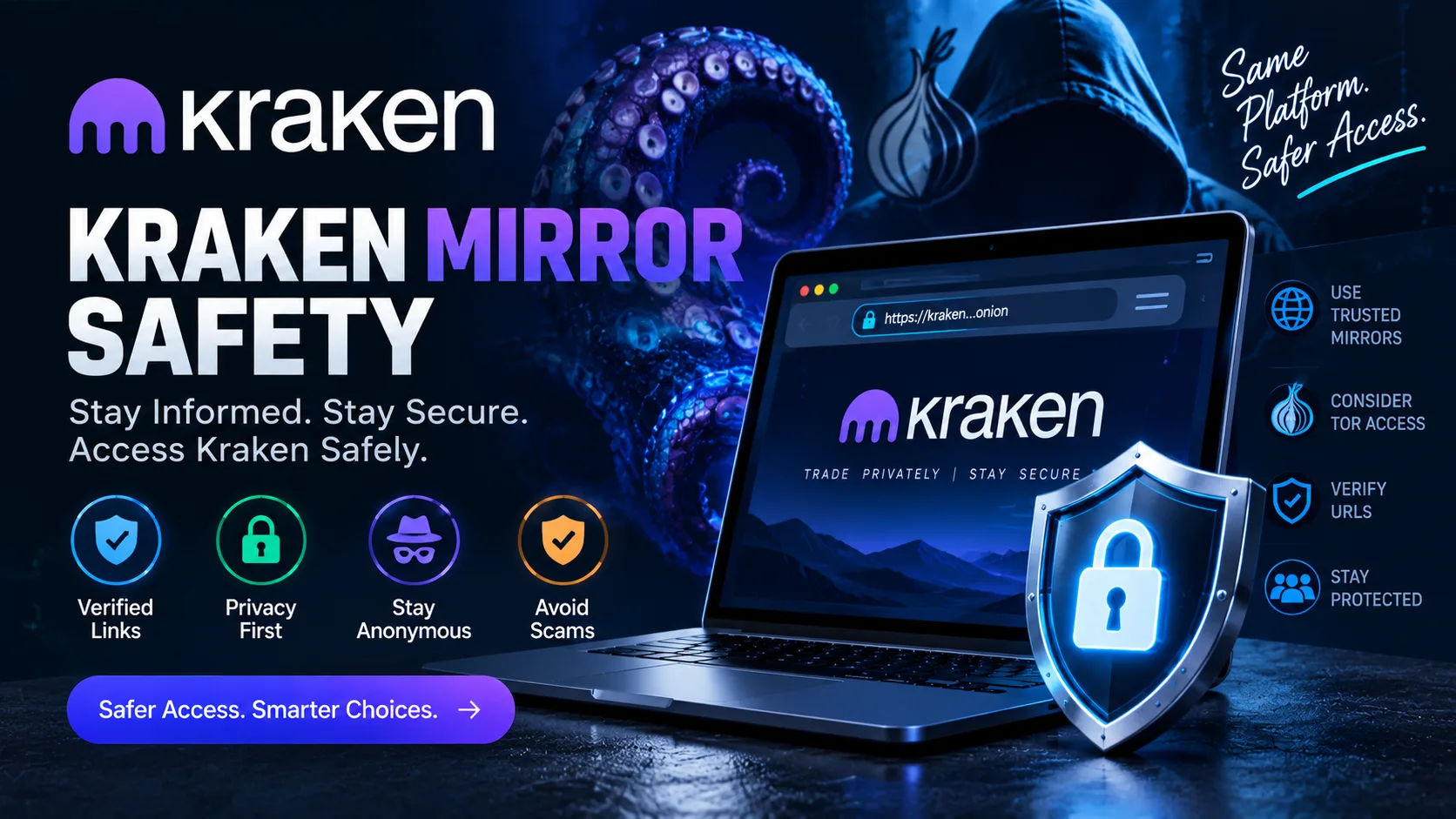
For anyone concerned about Kraken login safety поддельный вход Kraken, the most important principle is simple: never trust a login page merely because it looks professional. Users should verify the website address, avoid unexpected login links, use strong account protections, and carefully examine messages that create urgency.
A secure approach does not require advanced technical knowledge. Small habits, such as opening the exchange through a saved bookmark instead of an unfamiliar link, can make a major difference. This guide explains practical ways users can identify and avoid fake Kraken login pages while protecting their accounts and personal information.
Understand What a Fake Login Page Is
A fake login page is a fraudulent website designed to imitate a legitimate login screen. Its purpose is usually to convince visitors to enter sensitive information.
The page may copy the appearance of a real cryptocurrency exchange. It can include familiar colors, logos, buttons, and sign-in fields.
After a victim enters an email address, password, or another authentication detail, the information may be collected by the attacker.
The fake website may then redirect the visitor somewhere else. Sometimes the victim does not immediately realize anything unusual happened.
Understanding this basic process makes it easier to recognize suspicious login requests before providing information.
Check the Website Address Carefully
One of the easiest ways to avoid a fake login is to inspect the website address before entering credentials.
Attackers often create domains that resemble legitimate websites. A fraudulent address might contain additional words, unusual characters, spelling changes, or a different domain extension.
Do not assume that a website is legitimate because the page contains the correct Kraken logo.
The address bar is more important than the appearance of the page.
Before signing in, check the spelling of the domain carefully. Look for unexpected characters, strange subdomains, or unfamiliar addresses.
Be Careful With Similar-Looking Domains
Fraudulent websites may use addresses designed to look convincing at first glance.
For example, an attacker might use a domain containing words associated with Kraken while hosting the actual page somewhere else.
Users should avoid relying on the first part of a URL alone. The complete domain should be checked.
If an address looks unfamiliar, do not enter your credentials.
Avoid Login Links in Unexpected Messages
Phishing attempts frequently arrive through email, text messages, social media, or other communication channels.
A message may claim that an account has a security problem and needs immediate verification.
Another message might say that a withdrawal has been detected or that the account will be suspended unless the user logs in.
These messages are designed to create urgency.
Instead of clicking the included login button, open the official Kraken website independently.
This simple habit removes one of the attacker's biggest advantages: controlling the destination of the link.
Treat Urgent Messages With Caution
A message that creates panic deserves extra attention.
Phrases such as "immediate action required," "account suspension," or "security breach detected" can pressure users into acting without checking the destination.
Pause before responding.
Verify the situation through an independently opened official account or official support channel rather than trusting the message itself.
Use a Trusted Bookmark
A browser bookmark can reduce the risk of accidentally visiting a fake login page.
After independently confirming the legitimate website, save it as a bookmark.
When you need to sign in later, use the bookmark instead of searching for the website or clicking a link from an unexpected message.
This method is particularly useful because phishing websites can sometimes appear in search results or advertisements.
A bookmark provides a consistent route to the website you intentionally saved.
Do Not Trust Search Results Automatically
Search engines are useful, but users should not assume that every result is safe.
Attackers can create websites and advertisements designed to appear relevant to people searching for cryptocurrency services.
A sponsored result or familiar-looking title does not automatically prove that the destination is genuine.
When accessing a financial account, use a known official address or trusted bookmark whenever possible.
Look for Suspicious Login Behavior
A fake login page may contain clues that distinguish it from a legitimate service.
Look for:
- Strange spelling or grammar
- Unusual page addresses
- Poorly designed buttons
- Unexpected pop-ups
- Requests for information that normally should not be required
- Suspicious browser warnings
- Unusual redirects
- Pressure to provide sensitive information immediately
One strange detail does not necessarily prove that a page is fraudulent, but several warning signs together should cause you to stop.
Never Share Your Password
A legitimate service should not require you to send your account password through email, messaging apps, or social media.
Never copy your password into a message because someone claims to be a support representative.
The same rule applies to authentication codes and other sensitive account information.
If someone asks for these details through an unexpected communication channel, treat the request as suspicious.
Be Careful With Authentication Codes
Multi-factor authentication can provide an additional layer of security, but users still need to protect their authentication information.
Never provide an authentication code to someone simply because they claim to be helping you.
An attacker who obtains both credentials and an authentication code may be able to bypass protections that would otherwise stop unauthorized access.
Enable Strong Account Security
Users should take advantage of available security features on their cryptocurrency accounts.
A strong, unique password is an important starting point.
Avoid using the same password for your email account, cryptocurrency account, shopping accounts, and social media.
If one service suffers a credential leak, reused passwords could put other accounts at risk.
A password manager can help generate and store unique passwords without requiring users to memorize every password.
Protect the Email Account Connected to Your Exchange
Your email account can be extremely important because it may be used for account recovery and security notifications.
If an attacker gains access to the associated email account, they may attempt to reset passwords or intercept important messages.
Use a strong, unique password for your email account.
Enable multi-factor authentication where available.
Review account recovery options periodically and investigate unexpected security notifications.
Protecting the email account is therefore an important part of broader cryptocurrency security.
Keep Your Devices Updated
Security is not limited to the website itself.
An outdated operating system, browser, or security application may contain vulnerabilities that attackers can exploit.
Install security updates from trusted sources.
Keep your browser updated and remove extensions that you no longer use.
Avoid installing unknown software simply because a pop-up claims that an update is required.
Be Careful With Browser Extensions
Browser extensions can interact with websites and sometimes access information displayed in your browser.
Only install extensions from trusted sources.
Review your installed extensions periodically.
If you find an extension you do not recognize, investigate it before continuing to use sensitive financial websites.
Use Secure Networks
Avoid entering cryptocurrency credentials while connected to an unfamiliar or untrusted network.
Public Wi-Fi can create additional security risks, particularly when combined with unsafe websites or compromised devices.
If you must access an important account while traveling, use a trusted network and make sure your device is updated and protected.
The safest approach is to perform sensitive account activities from a device and connection you trust.
Learn to Recognize Social Engineering
Many fake login attacks rely on psychology rather than advanced technology.
The attacker may pretend to be a support agent, security employee, or another trusted person.
They may claim that unusual activity has been detected and ask you to verify your account.
The objective is to make you act quickly.
Recognizing this strategy helps you slow down.
When someone creates pressure, take a moment to independently verify the request.
Check Before Entering Sensitive Information
Develop a simple habit before every login.
First, look at the address bar.
Second, consider how you arrived at the page.
Third, ask whether the login request was expected.
Fourth, check for suspicious warnings or unusual behavior.
Only continue when the situation makes sense.
This process takes only a few seconds but can prevent a costly mistake.
What to Do If You Entered Information on a Fake Page
If you believe that you entered your credentials into a fraudulent website, act quickly.
Do not continue interacting with the suspicious page.
Access your account through a trusted route rather than returning to the questionable website.
Change your password using the legitimate service.
If the same password was used elsewhere, change those passwords as well.
Review recent account activity for anything you do not recognize.
Check security notifications and authentication settings.
If you believe your account may have been compromised, contact the exchange through its official support resources.
Secure Your Email Immediately
If your email password was also entered into a suspicious page, secure the email account as soon as possible.
Change its password and review active sessions or devices.
Check whether recovery information or security settings have been changed.
An attacker who controls your email may be able to attempt password resets on other services.
Do Not Download Unknown Security Tools
Some phishing campaigns may tell users to install software to "secure" their account.
This can be another part of the attack.
Do not install unfamiliar programs, browser extensions, or mobile applications simply because an unexpected message recommends them.
Use official application stores and verified sources when installing software.
If a security message asks you to download something urgently, independently verify the request first.
Be Cautious With QR Codes
QR codes can also lead users to fraudulent websites.
A QR code might be presented in an email, message, social media post, or physical location.
Do not assume that scanning a QR code is safer than clicking a link.
After scanning, inspect the destination before entering sensitive information.
If the resulting website is unfamiliar, close it.
Keep Recovery Information Private
Account recovery information should be treated as sensitive.
Do not post recovery details publicly or send them to strangers.
Be especially careful when someone claims that recovery information is required to restore access.
Attackers may use fake support conversations to collect information that can later be used against the account owner.
Create a Personal Security Checklist
A short checklist can make secure behavior easier to follow.
Before logging in, ask:
- Did I intentionally open this website?
- Is the website address correct?
- Did I arrive through a trusted route?
- Is the page behaving normally?
- Am I being pressured to act immediately?
- Am I being asked for information that should remain private?
If anything feels unusual, stop and verify the situation.
Why Small Habits Matter
Cybersecurity does not always depend on complicated technical measures.
Many successful phishing attacks depend on ordinary human mistakes.
A user may click quickly, trust an urgent message, reuse a password, or ignore an unfamiliar URL.
Changing these habits can significantly reduce exposure.
The most effective approach is to slow down when something involves money, passwords, authentication codes, or account recovery.
Building Long-Term Kraken Login Safety
Good security should become a routine rather than a one-time activity.
Review passwords periodically.
Keep devices and browsers updated.
Use multi-factor authentication.
Monitor account activity.
Keep email security strong.
Avoid unexpected login links.
Most importantly, develop the habit of independently verifying important requests.
For people researching Kraken login safety поддельный вход Kraken, these practices provide a practical foundation for recognizing fraudulent login attempts and protecting sensitive account information.
Conclusion
Avoiding a fake Kraken login begins with careful verification. Users should never judge a login page only by its appearance because fraudulent pages can closely imitate legitimate services.
Checking the complete website address, using trusted bookmarks, avoiding unexpected login links, and recognizing pressure tactics are simple but valuable precautions.
Strong passwords and multi-factor authentication add additional layers of protection. Protecting the email account associated with the exchange is equally important because email access can affect account recovery.
If suspicious activity occurs, users should respond quickly by securing their accounts through trusted channels, changing compromised passwords, reviewing account activity, and contacting legitimate support resources when necessary.
The safest approach is to slow down whenever a login request seems urgent or unexpected. A few seconds spent checking the destination can prevent the disclosure of sensitive information.
By combining careful browsing habits, strong authentication, updated devices, and awareness of phishing techniques, users can substantially reduce the risk associated with fake login pages and maintain better overall account security.