
Leading Eco Friendly Deodorant Packaging Suppliers for Sustainable Brands
The packaging industry accounts for approximately 40% of all plastic waste, contributing significantly to landfill pollution and environmental degradation. This alarming statistic has driven an urgent shift toward eco-friendly packaging solutions, particularly in the personal care sector where deodorant containers represent a substantial portion of packaging waste. Forward-thinking brands are now partnering with innovative suppliers who specialize in sustainable packaging alternatives that don't compromise on quality or functionality. These industry-leading manufacturers offer everything from biodegradable materials to refillable systems, helping brands align with consumer demand for environmentally responsible products while maintaining market competitiveness.
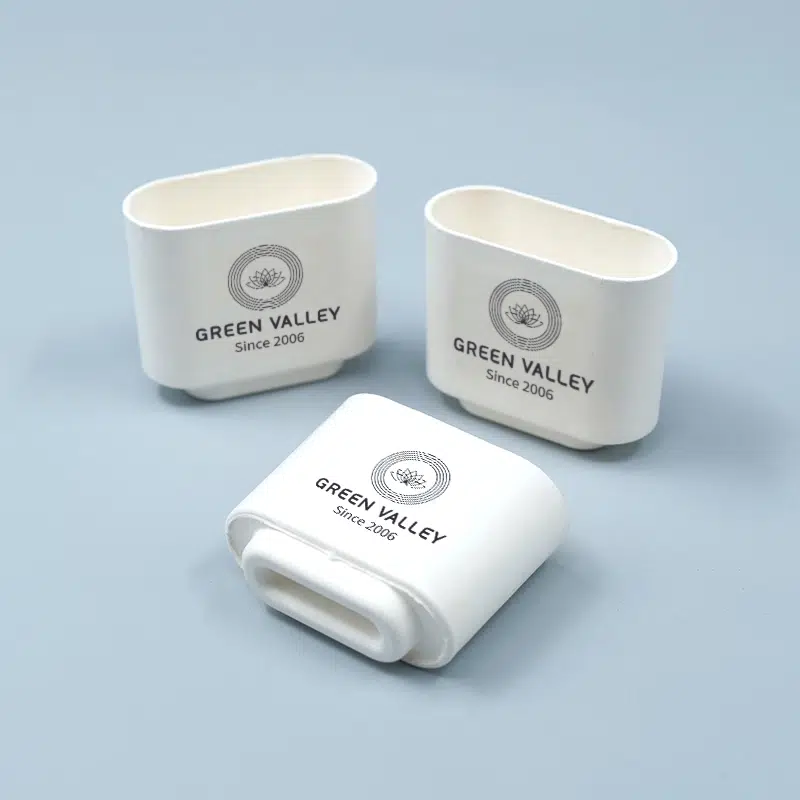
Why Eco-Friendly Packaging Matters
Traditional plastic packaging creates long-term environmental burdens, taking centuries to decompose while leaching harmful chemicals into ecosystems. In contrast, eco-friendly deodorant containers utilize renewable materials like bamboo, cornstarch, sugarcane, and recycled paper that require less energy to produce and break down naturally. These sustainable alternatives emit significantly lower carbon dioxide during manufacturing and decompose faster at end-of-life. Beyond environmental benefits, they offer brands tangible commercial advantages as 73% of consumers now prefer products with sustainable packaging according to recent Nielsen research.
The circular economy model is fundamentally changing packaging priorities. Suppliers specializing in empty deodorant containers bulk solutions now focus on closed-loop systems where materials can be continuously repurposed. This shift represents more than just material substitution—it requires rethinking entire production processes from sourcing to distribution. Premium suppliers invest heavily in research to develop packaging that meets rigorous functional requirements while achieving sustainability benchmarks for biodegradability, compostability, and recyclability that today's eco-conscious consumers demand.
Innovative Materials Transforming the Industry
Groundbreaking material science is enabling packaging innovations that were unimaginable just five years ago. Plant-based plastics derived from corn, sugarcane, and cassava now replace petroleum-based polymers without sacrificing durability. Mushroom-based packaging grown from mycelium offers completely biodegradable alternatives that decompose within months. Some forward-thinking suppliers even utilize agricultural waste streams to create packaging materials, turning potential landfill contributions into valuable resources. These material innovations allow brands to maintain product integrity while dramatically reducing their environmental footprint throughout the supply chain.
Advanced biodegradable and compostable materials represent another leap forward. Unlike traditional plastics that fragment into microplastics, these new-generation materials break down completely into organic matter through industrial composting processes. Certain formulations even incorporate nutrients that enrich soil quality during decomposition. For brands exploring refillable systems, durable bioplastics made from cellulose or algae provide the structural integrity needed for multiple reuse cycles while remaining fully recyclable at end-of-life. These innovations demonstrate how sustainable packaging can meet rigorous performance standards while aligning with planetary health objectives.
| Supplier Specialty | Material Innovation | Key Advantage | Certifications |
|---|---|---|---|
| Plant-Based Polymers | Sugarcane bioplastics | Carbon negative production | ASTM D6400, USDA BioPreferred |
| Biodegradable Solutions | Cornstarch composites | 90-day decomposition | EN 13432, OK Compost |
| Compostable Packaging | Mushroom mycelium | Home compostable | CMA, BPI Certified |
| Recycled Materials | Post-consumer paper | Closed-loop system | FSC, SFI Certification |
| Refillable Systems | Aluminum/glass hybrids | 50+ reuse cycles | Cradle to Cradle Certified |
Safety and Quality Considerations
Premium eco-friendly packaging eliminates harmful chemicals like BPA, phthalates, and PVC that can migrate into products
Leading suppliers conduct rigorous testing for material safety, durability, and compatibility with cosmetic formulations
Third-party certifications ensure compliance with international safety standards for personal care packaging
Transparent material sourcing policies allow brands to verify sustainable supply chain practices
Quality control processes match or exceed conventional packaging manufacturing standards
Beyond material safety, top-tier suppliers maintain comprehensive quality assurance programs that validate packaging performance under real-world conditions. This includes testing for moisture resistance, structural integrity during shipping, and compatibility with various deodorant formulations. Many offer specialized consulting services to help brands navigate the transition to sustainable packaging while maintaining product stability and shelf appeal. The most reputable manufacturers provide detailed technical documentation and material safety data sheets, enabling brands to make informed decisions about packaging selections for their specific product requirements.
Implementation Strategies for Brands
Transitioning to sustainable packaging requires strategic planning to balance environmental goals with business realities. Successful implementations typically begin with a comprehensive packaging audit to assess current materials and identify improvement opportunities. Many brands adopt phased approaches, starting with limited-edition sustainable packaging for select product lines before expanding across their entire range. This allows for real-world testing of new materials and consumer feedback collection. Premium suppliers offer design consultation services to help brands maintain visual identity and shelf impact while adopting more sustainable formats.
Effective communication plays a vital role in maximizing the value of sustainable packaging investments. Clear labeling about material composition, proper disposal methods, and environmental benefits helps educate consumers and reinforce brand values. Some forward-thinking companies incorporate QR codes that link to detailed sustainability information, creating transparency and engagement opportunities. For brands using refillable systems, intuitive design that facilitates easy home refilling significantly improves user adoption rates. The most successful implementations consider the entire customer experience from unboxing to eventual disposal or reuse.
The shift toward sustainable deodorant packaging represents both an environmental imperative and a strategic business opportunity. As consumer preferences continue evolving toward eco-conscious products, brands that partner with innovative suppliers gain competitive advantage while contributing to planetary health. Companies offering luxury packaging solutions are at the forefront of this transformation, developing premium sustainable options that meet exacting quality standards. From biodegradable materials to elegant refillable systems, today's eco-friendly packaging solutions prove that environmental responsibility and commercial success can go hand-in-hand.
