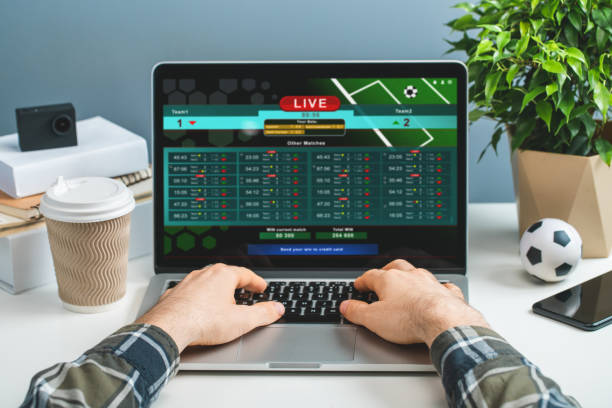
Understanding The Rise And Dynamics Of Online Trading Platforms In The Modern Whole Number Econom
Online trading has revolutionized the way individuals and institutions participate in global commercial enterprise markets, transforming a once scoop and complex process into an accessible and dynamic natural process. From the solace of their homes, millions of people now have the ability to invest in stocks, commodities, forex, and cryptocurrencies using only an cyberspace connection and a integer device. This shift has not only democratized access to wealthiness-building opportunities but has also introduced new challenges and risks that traders must with kid gloves voyage.
The growth of online trading platforms can be derived back to the late 1990s with the Second Coming of Christ of the net, but it wasn t until the past ten that these platforms became widely nonclassical due to the rise of smartphones and mobile apps. Companies like Robinhood, eToro, Interactive Brokers, and many others have simplified the trading interface, sanctionative users with little to no fiscal downpla to start investing with negligible exertion. Features such as zero-commission trading, real-time commercialize data, and user-friendly-boards have made online trading particularly attractive to jr. generations. Social media has played a significant role in popularizing trading by amplifying stories of commercial enterprise success and supportive a sense of community among novice investors.
Despite its advantages, online trading is not without substantial risks. Many new traders record the market without fully understanding the volatility and science demands encumbered in trading. The ease of get at and gamified interfaces can sometimes kick upstairs impulsive decision-making, leading to substantive losses. Moreover, the lack of personal financial advice on most platforms means that users often rely on peer shape, trending news, or online forums rather than solid commercial enterprise preparation. While regulative bodies like the SEC and FCA have started implementing measures to protect retail investors, the apace evolving nature of fintech makes it noncompliant to launch comp regulations fast enough.
Technology continues to form the futurity of online trading. Artificial news, machine scholarship algorithms, and big data analytics are being organic into trading platforms to supply high-tech tools like prophetical analytics, automated trading bots, and opinion depth psychology. These tools, when used properly, can improve a bargainer s power to translate commercialise trends and make more au courant decisions. However, they also upraise concerns about commercialize manipulation, right utilisation of data, and algorithmic traide.cloud/AboutUs biases. As AI becomes more involved in trading, ensuring transparency and paleness in its practical application will be requirement.
Education is becoming a key portion in the evolution of online trading. Many platforms now volunteer tutorials, pretense accounts, webinars, and in-depth articles to help users gain business literacy. This growing vehemence on education signals a transfer towards responsible trading and long-term investment strategies rather than theoretical short-circuit-term gains. It reflects a broader understanding that sustainable trading winner depends on discipline, cognition, and risk direction.
Online trading has undoubtedly reshaped the planetary investment funds landscape, offering unexampled get at to markets and wealth-generation tools. However, as with any right tool, its impact depends heavily on how it is used. As more individuals explore online trading, reconciliation availability with education and rule will be indispensable in ensuring it stiff a positive wedge in the business earthly concern.